Behind every historic aircraft displayed in a museum is a story. Behind many of those aircraft is a group of dedicated people working quietly to ensure that the story is not forgotten.
The Friends of the South African Air Force Museum (FSAAFM) are a voluntary, non-profit organisation made up of civilians who share a passion for preserving South Africa's military aviation heritage.
Their mission is straightforward but enormously important: to support the South African Air Force Museum through fundraising, maintenance, restoration and preservation, ensuring that historic aircraft and artefacts are protected for future generations.
The Friends do not receive funding from the South African Air Force or the government. Instead, they rely largely on membership fees, donations, fundraising activities and the dedication of volunteers who give freely of their time and skills.
The organisation has three branches, located at the SAAF Museum Swartkop in Pretoria, Ysterplaat in Cape Town and Port Elizabeth.
Membership is open to anyone with an interest in aviation and South Africa's military heritage. Members can become directly involved in restoration projects, join work parties, assist with research, help maintain displays or even volunteer in the museum shops.
For some, it is about getting their hands dirty restoring an aircraft. For others, it may be researching the history of an aircraft or helping visitors understand what they are looking at. Whatever their contribution, they all have one thing in common - a desire to preserve the past.
Swartkop - Where Restoration Never Stops
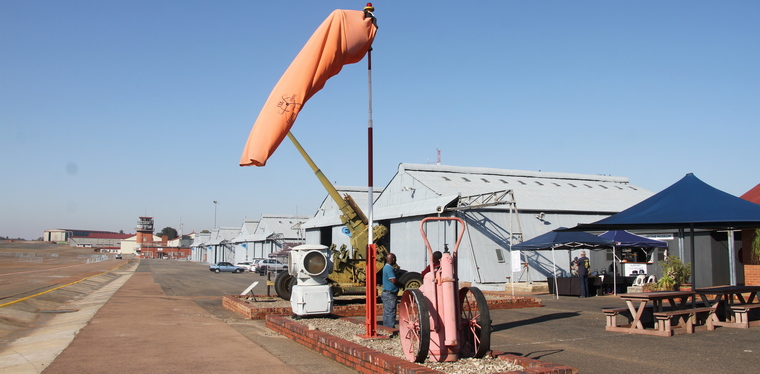
Located at AFB Swartkop near Pretoria, the Swartkop branch is the largest of the three SAAF Museum sites and is home to an impressive collection of historic aircraft.
But keeping a museum of this size operational is a never-ending task, and the Friends are involved in numerous restoration and preservation projects.
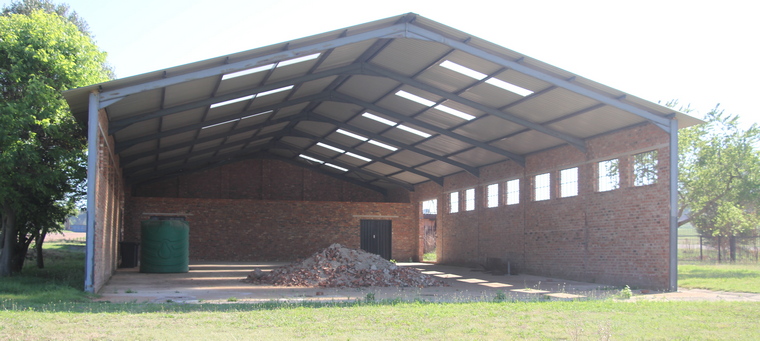
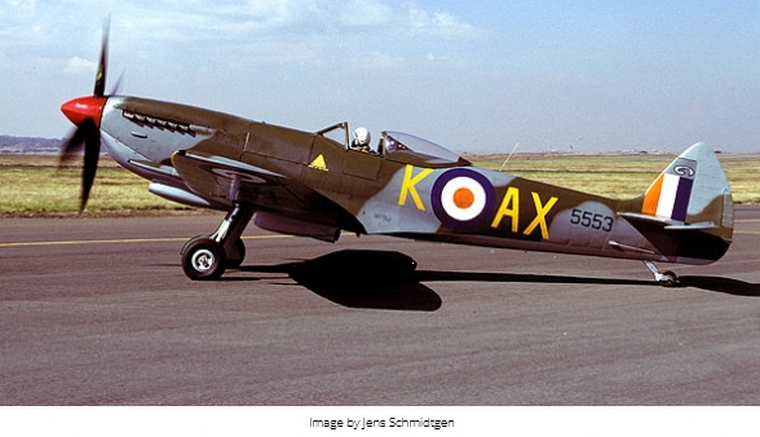
Among the long-term projects is the construction of a hangar to house the rebuild of a crashed Spitfire Mk IX. The branch has also embarked on restoration projects involving a Canberra and an Avro Shackleton, with the objective of returning both aircraft to a historically accurate static-display condition.
The Swartkop branch is also home to several Special Interest Groups (SIGs), each concentrating on specific aircraft and projects.
Few aircraft are as instantly recognisable as the Supermarine Spitfire, and one of the Friends' most ambitious projects is the restoration of a Spitfire Mk IX.
The aircraft was involved in an accident at an airshow in May 2000 following an engine failure. The Friends of the SAAF Museum have taken responsibility for managing the restoration and raising the funds required to return this historic warbird to its former glory.
The project is a long-term undertaking and relies heavily on donations and the dedication of volunteers.
More information about the project is available from the Spitfire Restoration Project.
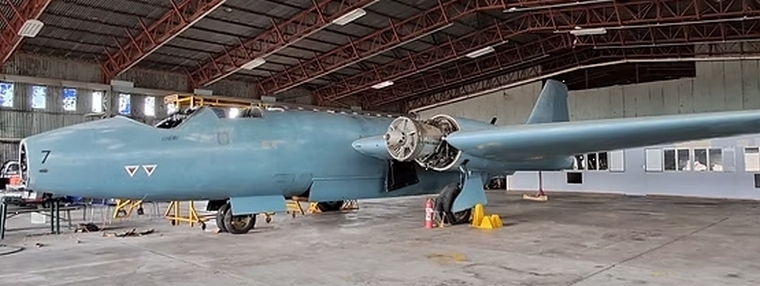
Another ambitious project at Swartkop is the restoration of English Electric Canberra 457, affectionately known as "Oom Daan se GT."
The aircraft has a particularly interesting history. Originally built as a B2 bomber in 1953, it was later converted to a T4 trainer before being modified by the SAAF back to a B2 configuration.
A team of dedicated volunteers is working to restore the aircraft to an international museum standard.
Canberra 457 will not fly again, but the objective is to create an historically accurate and visually impressive static display that preserves both the aircraft and the story behind its famous nickname.
The project also has a BackaBuddy fundraising campaign, giving members of the public an opportunity to contribute directly to the restoration.
Puma 190 - Preserving a Piece of South African Helicopter Development
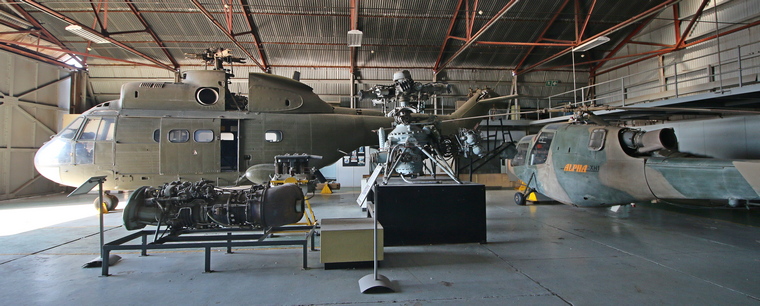
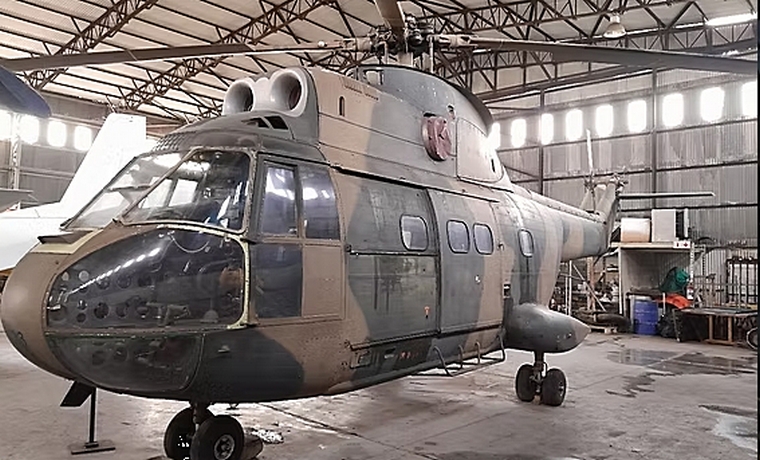
Puma 190 is another important restoration project at Swartkop.
The objective is to restore the aircraft as a historically accurate static display reflecting its role as the XTP-1 Beta hybrid test-bed.
The project involves reconstructing original features, including avionics, instrumentation and external components, as far as reasonably possible. Former programme personnel and Denel Aerospace expertise are being used to help ensure historical accuracy.
Once completed, Puma 190 will form part of a dedicated display highlighting South Africa's development of combat helicopters, alongside the XH-1 Alpha and Rooivalk ADM/XDM.
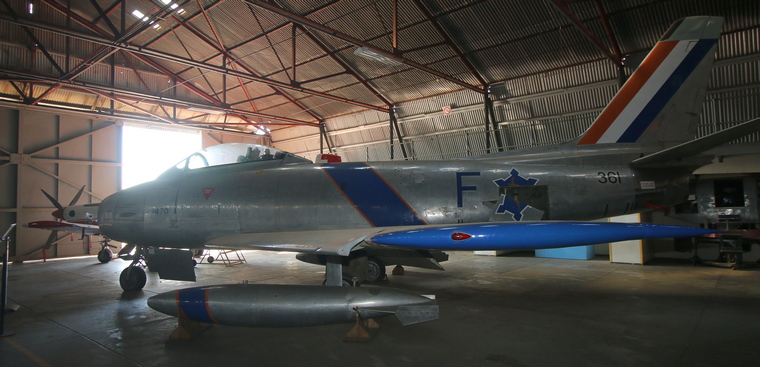
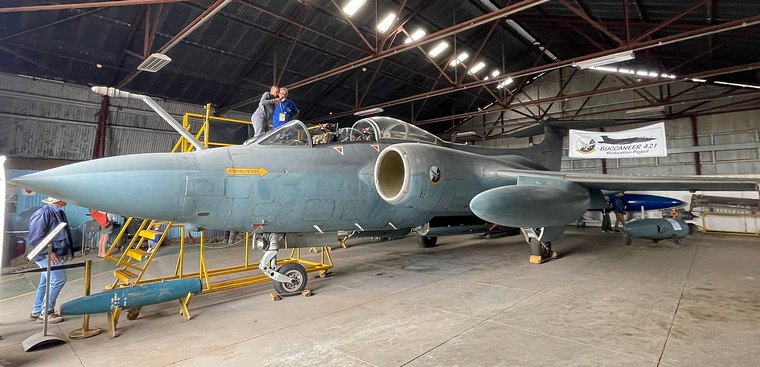
Other either ongoing or recently completed projects are structural and mechanical preservation work on the Buccaneer, static preservation and restoration on the Shackleton as well as ongoing maintenance and support for flying types like the Harvard and static as the Sabre.
Ysterplaat - Preserving Cape Aviation History
The Friends' Ysterplaat branch in Cape Town is equally active.
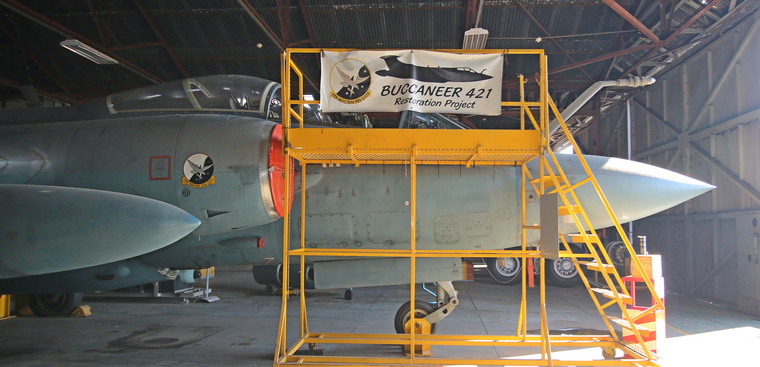
Cape Town recently successfully restored the historic Blackburn Buccaneer S.50 (serial number 41) and it has been moved to Hangar 4 for public static display. Buccaneer 416 served with the SAAF's 24 Squadron from 1965 until the squadron was disbanded and the type retired in March 1991.
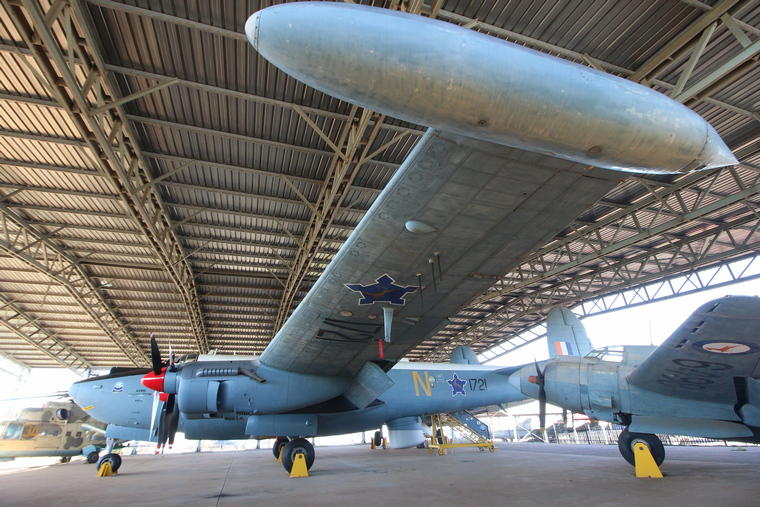
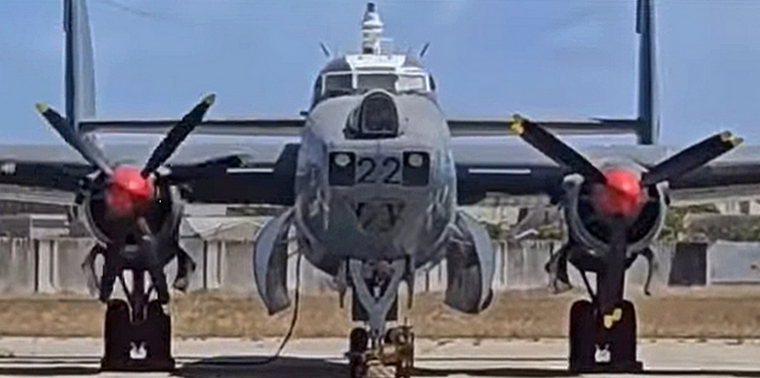
The museum also houses the world's last airworthy-status Avro Shackleton MR.3 (tail number 1722, known as "Pelican 22"). While the four-engined maritime patrol aircraft will not fly again due to operational and crew-training constraints, the Friends of the South African Air Force Museum (Ysterplaat Branch) maintain her in running condition. Periodic public Ground Runs feature the deafening, nostalgic roar of her four Rolls-Royce Griffon 57A piston engines revving up to 2,500 rpm.
Current projects include the restoration of Dakota 6832 and a SARO Mk.3 Lifeboat, while restoration of Mirage F1CZ 213 has been completed. Mirage IIIR2Z 857 has been identified as a future restoration project.
The branch relies heavily on private donations and fundraising activities to maintain and restore its exhibits.
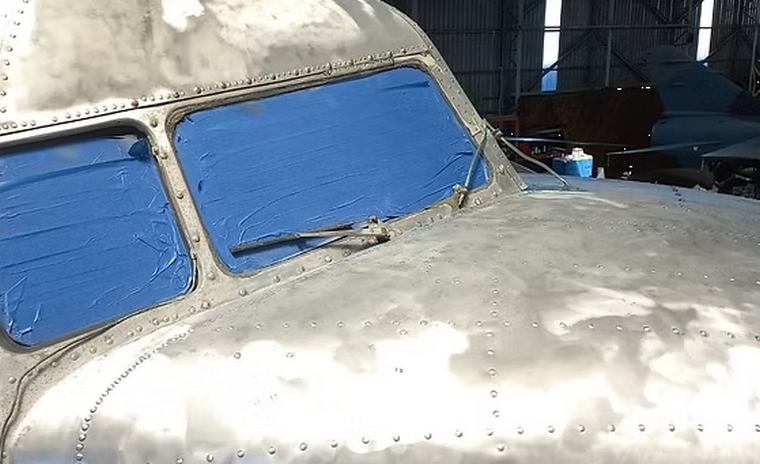
Work on Dakota 6832 is already well underway.
Corrosion has been removed from the aircraft and a protective etch-primer coating applied. The next major step is the application of a silver metallic top coat.
The SARO Mk.3 Lifeboat is another fascinating piece of aviation history.
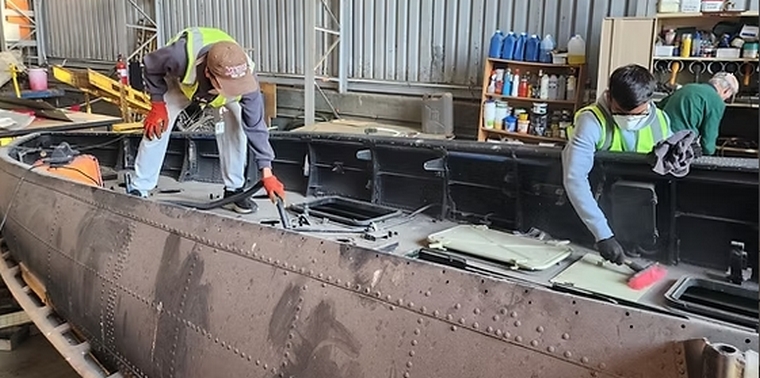
These boats were sometimes carried by Avro Shackleton aircraft during search-and-rescue operations. The Ysterplaat team is restoring the boat to display condition, with work including corrosion removal, sourcing missing components and repainting.
It is another example of how museum preservation extends beyond aircraft themselves. Every component tells part of the story of how the SAAF operated.
Port Elizabeth - Another Team Making a Difference
The Port Elizabeth branch, based at Chief Dawid Stuurman International Airport, is also involved in a number of restoration and maintenance projects.
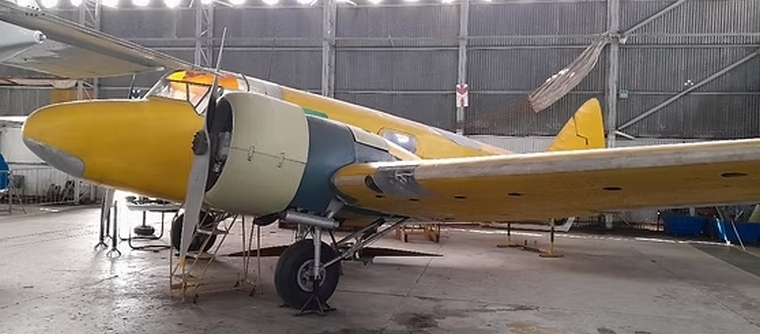
Among the current projects are the restoration of a Buccaneer flight simulator, a Bofors anti-aircraft cannon and an Airspeed Oxford from the Second World War.
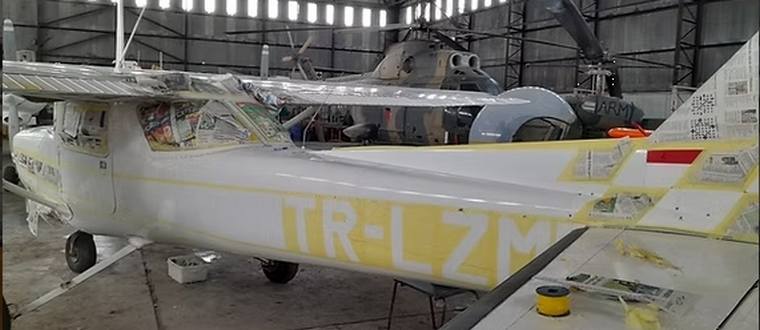
The branch is also undertaking general maintenance on Puma 123 and repainting a Cessna 150.
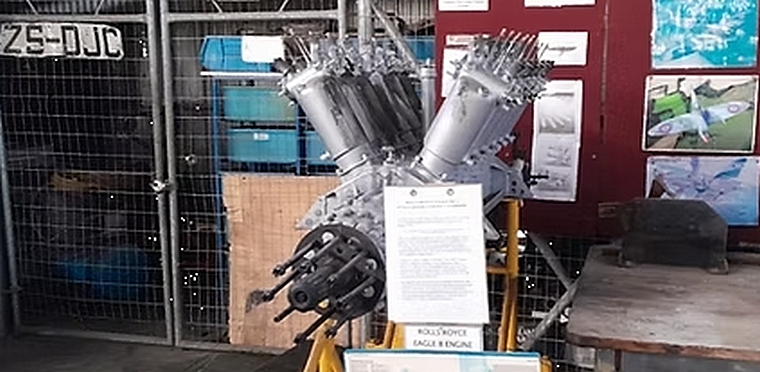
A future project include the restoration of a Rolls-Royce Eagle VIII 12-cylinder engine dating from 1917. A propeller will eventually be fitted .
The Airspeed Oxford is one of the branch's particularly interesting projects.
Both of its seven-cylinder radial Cheetah engines are in running condition, although they are not currently operated while installed in the aircraft.
Once completed, the Oxford will be an especially impressive exhibit, with work including replacing the bomb-bay doors, further restoration of the cockpit and repainting the entire aircraft.
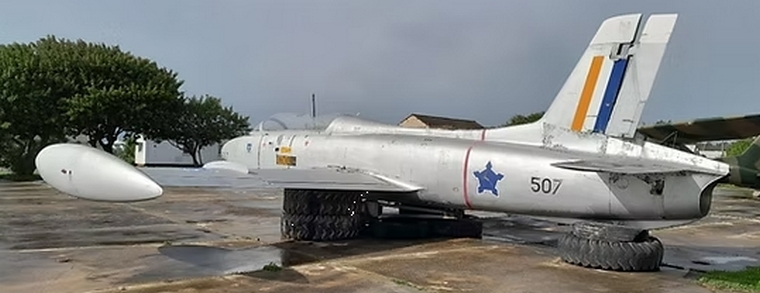
Impala Mk I 507
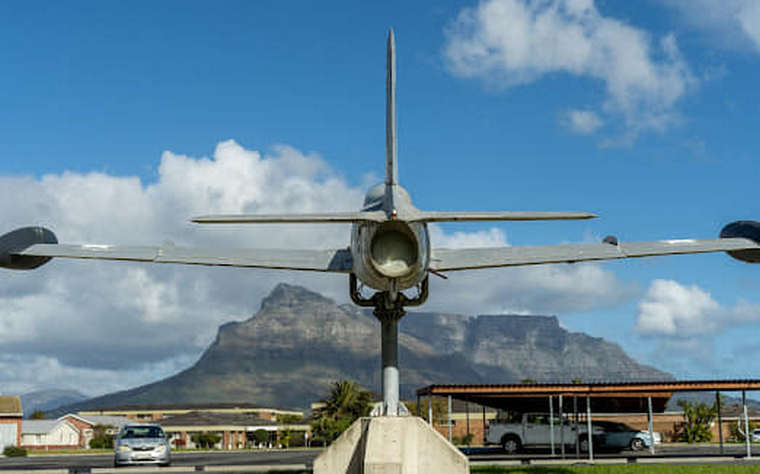
Looking ahead, the branch plans to restore Impala Mk I number 507 as a static display. The work will include replacing the canopy, repairing the fuselage, deploying the undercarriage and repainting the aircraft.
More Than Just Aircraft
The work of the Friends of the SAAF Museum extends far beyond simply making old aircraft look presentable.
Historic aircraft deteriorate if they are not properly maintained, and many of the aircraft in the museum's collection require specialist knowledge, patience and considerable financial resources.
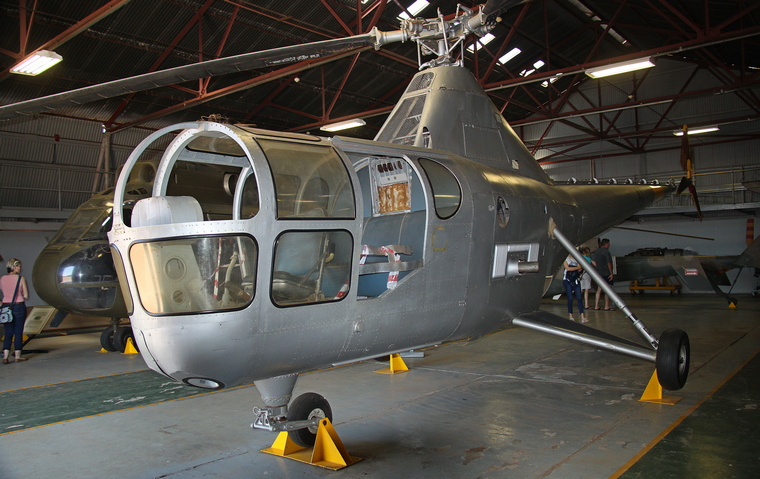
At Swartkop, the Friends are also involved in the preservation of the Sikorsky R-4, an aircraft with an important place in helicopter history. The R-4 was the world's first large-scale mass-produced helicopter, with its prototype, the XR-4, making its first flight on 14 January 1942. The R-4 subsequently entered production during 1943-44 and, in 1948, became the first helicopter to fly in Africa.
Each aircraft, engine, boat or artefact preserved by the Friends represents a small piece of a much larger story.
Become Part of the Story
The Friends of the South African Air Force Museum are proof that preserving aviation history is not solely the responsibility of governments or museums.
It is also the responsibility of ordinary people who care enough to get involved.
Whether you have specialist engineering skills, enjoy research, can assist with fundraising, are willing to help in a museum shop or simply want to contribute financially, there is an opportunity to make a difference.
You don't have to be a pilot or an aviation expert. You simply need an interest in preserving a remarkable part of South Africa's history.
The reward is spending time alongside dedicated, passionate people while helping to ensure that future generations can see, touch and learn from the aircraft that helped shape our aviation heritage.
The Friends of the SAAF Museum are not merely restoring old aircraft.
They are preserving the stories, memories and achievements of those who came before us - and making sure that those stories continue to inspire those who will follow.
Visiting the SAAF Museum
The South African Air Force Museum has three principal locations:
SAAF Museum Swartkop
AFB Swartkop, Old Johannesburg Road, Valhalla, Pretoria.
SAAF Museum Ysterplaat
AFB Ysterplaat, Cape Town.
SAAF Museum Port Elizabeth
Chief Dawid Stuurman International Airport, Gqeberha.
Entry to the museums is generally free, although donations are welcomed and contribute directly towards preservation and restoration projects.
Opening hours and access arrangements may vary between branches, so visitors are advised to confirm details with the relevant museum before travelling.
For those who would like to become involved, volunteer or support a particular restoration project, the Friends of the SAAF Museum can be contacted through their respective branches.
SAAF Museum Pretoria Open Day 02.03.2024 Part 2 Statics and Displays 1506